
Third Horizon's Starset Rate Compass Featured in Alcoholism & Drug Abuse Weekly
Third Horizon's newly launched Starset Rate Compass was featured in the October 19, 2026, edition of Alcoholism & Drug Abuse Weekly, highlighting the firm's expanded partnership with the National Association of Addiction Treatment Providers (NAATP).

NAATP and Third Horizon Expand Reimbursement Benchmarking with Starset Rate Compass
Built on the foundation of NAATP's first national insurer rate benchmark report, the new platform gives addiction treatment providers state-, carrier-, and provider-specific data, with exclusive pricing for NAATP members

What Medicare's Value in Treatment Demonstration Tells Us About Paying for Addiction Recovery
In August 2026, CMS released its final Report to Congress on the Value in Opioid Use Disorder Treatment Demonstration. Compared with a matched group, people in the demonstration had 20 percent fewer hospitalizations and cost Medicare about 10 percent less, even after the new payments.

The wish that started Our Circle
When Sterling Sampson blew out the candles on his fourth birthday cake, he did not ask for a ball, a bicycle, or a toy truck. He asked for a friend. The result is Our Circle, a nonprofit platform designed to help families raising children with disabilities, autism, and other support needs build meaningful relationships close to home.

Third Horizon Co-Authors New CCBHC Strategy Paper on Independent Practice Associations
New strategy paper by Managing Director Mindy Klowden for the National Council for Mental Wellbeing on how CCBHCs can use Independent Practice Associations to build payer leverage and financial resilience.
A Leadership Profile: Daniel Darting, CEO of Signal Behavioral Health Network
In this Impact Story, Third Horizon’s Erica Bauer sits down with Daniel Darting and Mindy Klowden to talk about what leadership requires inside a complicated system and what keeps each of them in it.

Medicaid’s New Community Engagement Requirements Could Reshape Behavioral Coverage
On June 2, 2026, CMS released an interim final rule implementing H.R. 1’s Medicaid community engagement requirements. For behavioral health stakeholders, the implementation details may be just as important as the policy itself.

Your Hospital’s Rates Changed This Year. Do You Know by How Much?
With three full years of Transparency in Coverage (TiC) filings now available, it's possible for the first time to track how negotiated commercial rates change over time.

CCBHC Community Needs Assessment: Sweetwater County, Wyoming (Southwest Counseling Service)
This assessment provides an in-depth look at behavioral health needs in Sweetwater County, a large and geographically dispersed rural region where access to care remains a persistent challenge.

CCBHC Community Needs Assessment: La Plata County, Colorado (Axis Health System)
This community needs assessment, prepared for Axis Health System, provides a data-driven and community-informed analysis of behavioral health needs in La Plata County, Colorado.

Navigating Accreditation for Certified Community Behavioral Health Clinics
Developed by Third Horizon in partnership with the National Council for Mental Wellbeing, the resource outlines key accreditation bodies, processes, and strategic considerations.
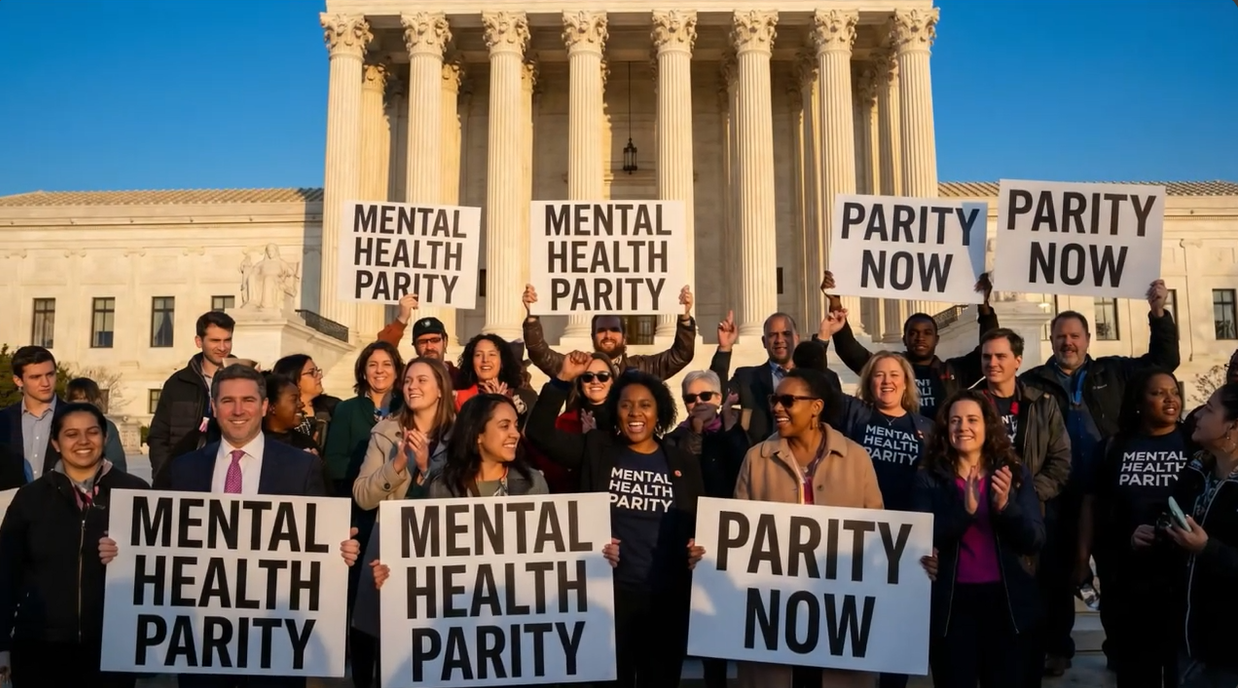
Parity has been the law since 2008. The data to measure it is finally here.
Unveiled on April 20, 2026, the Mental Health Parity Index represents an 18-month collaboration to take newly available transparency data and turn it into a clear picture of how parity is taking shape across plans and geographies.
New insurer data reveals significant gaps to in-network mental health care and treatment for substance use disorders when compared to physical health
For the first time, health insurance companies’ own data can be used to more accurately pinpoint where increased access to care is needed and payment disparity exists in real-time.

Food Is Medicine: The Case for Nutrition as a Clinical Intervention
For the millions of Americans living with serious illness, the standard picture of medical care — appointments, medications, procedures — leaves out something fundamental: what they eat. People managing conditions like cancer, congestive heart failure, COPD, or chronic kidney disease have complex, specific nutritional needs that generic food assistance programs aren’t designed to meet. When […]
Peer Support and the Future of Recovery
In a new video, leaders from Third Horizon and WEconnect discuss the critical infrastructure needed to scale peer-based, community-centered recovery support and deliver proven care consistently to those who need it most.
Request for Information: Competitive Proposal Writing Services
Third Horizon is seeking information from experienced proposal writers interested in supporting the development of high-quality, competitive responses to Requests for Proposals (RFPs) and related solicitations.

Third Horizon Partners with Blaine County Mental Well-Being Initiative to Strengthen Crisis Response
This report documents a nine-month partnership between Third Horizon and the Blaine County Mental Well-Being Initiative to strengthen the county’s behavioral health crisis response system.

Third Horizon contributes to "State-Level Analysis of Access to Intensive Eating Disorder Care for Medicaid Beneficiaries"
Third Horizon contributed to a newly-released article in Psychiatry Times.

988 Colorado Sandbox Summit: Advancing a Unified Vision for Crisis Care
Third Horizon served as strategic advisor and facilitator for the Sandbox Summit, designing and leading the convening to support meaningful cross-agency collaboration and actionable planning.
HFMA and Third Horizon launch price transparency data tool Starset Analytics
HFMA and Third Horizon announced the launch of Starset Analytics, a new toolset that helps hospitals unlock the full potential of price transparency data to inform their strategic decision-making.

Why Mental Health Screening and Therapy in Schools Help Kids—Not Harm Them
The evidence tells a very different story about school-based mental health screening.

Executive Order on Federal Grantmaking and Its Impact on Behavioral Health Services
This directive could reshape how federal discretionary grants are designed, awarded, and distributed.

Peer Recovery Pays Off: Three Numbers Every Health Care Leader Should Know
Peer recovery cuts costs, boosts outcomes, and now has policy support.

Third Horizon and Unity Recovery Publish New White Paper Examining The Value Proposition for Peer Recovery Support Services
A new white paper examines the critical role that CBOs and RCOs play in delivering peer recovery support services.
IL Mental Health Parity Index Shows Real-Time Gaps in Mental Health Care
The Mental Health Parity Index sheds light on key metrics related to mental health/substance use disorder.

Solutions Summit Program
Solutions Summit Program overview from Third Horizon Strategies.

National Council for Mental Wellbeing and Third Horizon Release Screening and Monitoring for Primary Care as a CCBHC
A resource for CCBHCs to use in implementing high-quality outpatient primary care screening and monitoring services.

Third Horizon Completes Phase 1 of the Lee County Behavioral Health System of Care Project
Third Horizon is pleased to announce that Phase 1 of the Lee County Behavioral Health System of Care project has been successfully completed.
Lake County Opioid Settlement Strategy Report
In the Summer of 2024, Lake County, Illinois, partnered with Third Horizon (TH) to help develop a plan to address the opioid crisis.

Marathon County SUD Gap Analysis
The Marathon County Department of Health partnered with Third Horizon (TH) to conduct a comprehensive gap analysis and needs assessment and to make recommendations relative to the substance use and opioid overdose epidemic in Marathon County.

The State of Behavioral Health in Teton County, Wyoming
The Teton Behavioral Health Alliance contracted with Third Horizon to analyze community-wide survey data and write a report summarizing its findings.

Third Horizon Interview with Behavioral Health Tech
Third Horizon sat down with Behavioral Health Tech to discuss digital solutions for peer recovery.
Virtual Third National Health Care Transparency & No Surprises Act Summit
Third Horizon is pleased to participate in the Third Virtual National Health Care Transparency and No Surprise Act Summit.

Director
Duties and Responsibilities Manage key behavioral health client relationships and provide customer-focused services to a diverse clientele. Produce...

Request for Information (RFI): Competitive Proposal Writing
Third Horizon Strategies has issued an RFI to learn more about external proposal writing services.

2024 Watch: Funding for Community Behavioral Health
The behavioral health funding landscape is ever-changing as America grapples with increasing demands for services.
Third Horizon Strategies Releases Final Report Recommending Payment Models for OUD Services
Third Horizon released the third of three reports outlining recommendations for Medicaid coverage of OUD services in jails and prisons.

Digital Divides – An Update on DEA Rules for Remote Prescribing of Controlled Substances
Background Earlier this year, Third Horizon Strategies (THS) published an overview of the Drug Enforcement Agency (DEA) proposed rules regarding the...
Manager, Health Care Council of Chicago
Responsibilities The HC3 manager position will lead program operations, coordinate with community partners, and implement strategies for key HC3...
Senior Data Analyst
Overview Third Horizon Strategies (THS) is seeking a full-time Senior Data Analyst with 6+ years of experience to support its work examining the...

New Guide Helps CCBHCs Develop Value Proposition
Third Horizon is proud to announce the release of a guide produced in partnership with the National Council for Mental Wellbeing.
New Report Recommends Performance Measures for Assessing OUD Services in Jails and Prisons
Third Horizon released the second of three reports outlining recommendations for Medicaid coverage of OUD services.
Third Horizon Strategies Selected by New York State for Restructuring Addiction Financing Project
New York OASAS contracted with Third Horizon to review the current system of financing addiction services.
Indiana Statewide Mobile Integrated Response System Program Evaluation
DMHA selected Third Horizon to evaluate the MIRS program statewide and authored a report of its findings.
New Report Recommends First-Ever Approach to Medicaid Coverage of Services for Opioid Use Disorder in Prisons and Jails
Third Horizon released a report recommending ways to advance evidence-based services for OUD in prisons and jails.

Behavioral Health Asset Mapping: How Visualizing Community Resources Can Strengthen the System of Care
Behavioral health asset mapping is an effective tool for visualizing systems of care.

Jefferson Center for Mental Health
Third Horizon has partnered with the Jefferson Center for Mental Health serving three counties west of Denver.
Acclivus
Acclivus is a community health organization focused on the health and well-being of Chicagos most vulnerable neighborhoods. One of Acclivus strategic...
A Financial Stress Test of the New Hampshire Substance Use Disorder Delivery System
Third Horizon analyzed the financial health of the SUD delivery system in New Hampshire.
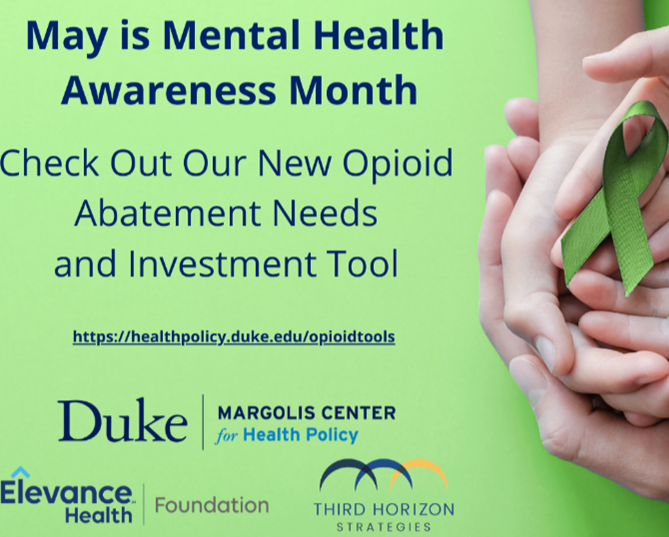
Third Horizon Partners with Elevance Health Foundation and Duke-Margolis to Release Opioid Abatement Tool
The new Opioid Abatement Needs and Investment tool will assist leaders in using settlement funds.
Montgomery County Behavioral Health Crisis System Enhancement Plan
Montgomery County selected Third Horizon to analyze the local behavioral health crisis system.
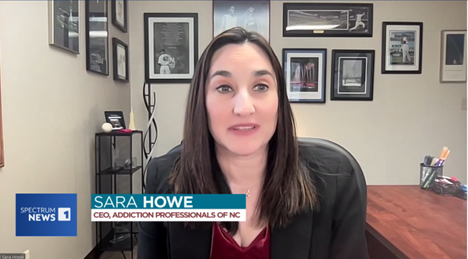
Sara Howe Discusses Reducing Fentanyl Overdoses with Spectrum News
Sara Howe joined Spectrum News In Focus with Loretta Boniti to discuss efforts to reduce fentanyl overdoses in North Carolina. Watch the segment at the...
Senior Director Sara Howe applauds NC’s decision to expand Medicaid
Howe, who also serves as the CEO of Addiction Professionals of NC, stated, “By having this access and coverage, we’ll hopefully start to stem the tide. It will take time but I hope this is the first step,” she said.

Health Industry Trend Spotting: 2023 Edition
Third Horizon CEO David Smith shares his view on the five most important signals in the health care industry.
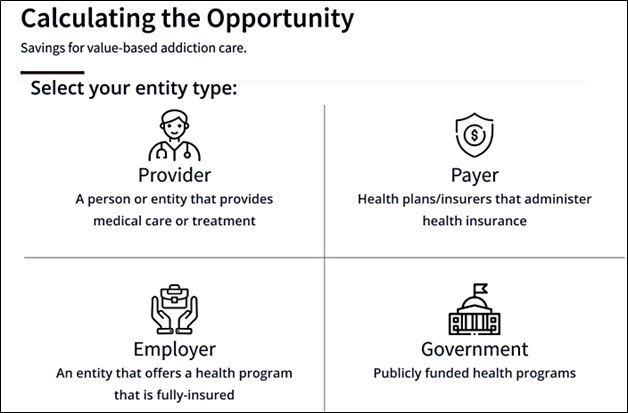
Calculating Potential Savings Generated by Implementing Value-based Models for SUD Care
The Alliance for Addiction Payment Reform has created a simple interactive Value-based SUD Opportunity Calculator.
Request for Information (RFI): Diversity, Equity, and Inclusion (DEI) Training
Request for Information (RFI): Diversity, Equity, and Inclusion (DEI) Training. Third Horizon and Jordana Choucair
HHS Proposed Rule Seeks to Increase Care Coordination and Confidentiality for SUD Patients
HHS released a Notice of Proposed Rule Making to 42 CFR Part 2 with significant implications.

Get to Know...Bamidele (Bami) Odusote
Bamidele (Bami) Odusote joined Third Horizon Strategies as a manager in June 2022, after working with the firm on a part-time basis for ten months while...

New Federal Funding Will Help States Improve Behavioral Health Care
New CCBHC planning grants provide states with a historic opportunity to increase access to behavioral health care.
Addiction Professionals of North Carolina Announces Sara Howe as CEO
Sara will hold the position through the end of calendar year 2023, in addition to retaining her current leadership role with Third Horizon Strategies.
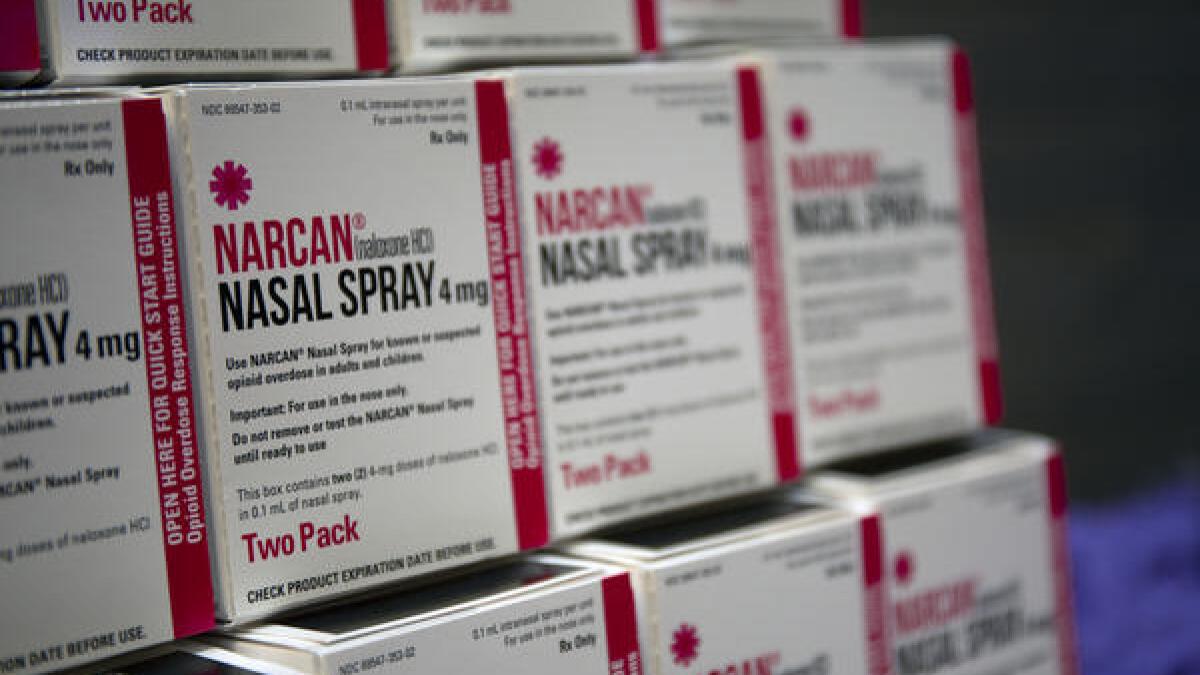
Tym Rourke on the availability and use of Narcan in New Hampshire
Tym was interviewed for a HuffPost article about the availability and use of Narcan in New Hampshire. The article was written in response to a political candidate’s comments that that the treatment keeps people addicted.

Managing Change in Health Care Organizations
Leaders need to develop change management plans driven by a guiding vision and inclusive processes.

Digital Healing: Digital Solutions as a Tool to Support Recovery
September 18-24 is Telehealth Awareness Week, the American Telemedicine Associations campaign to highlight the ways technology can enhance, accelerate...

Bridging the Gap: How to establish a path toward 100 percent health coverage
Disparities still exist and millions lack health insurance. This blog discusses policy options.

Third Horizon Strategies sponsors CommunityHealth Chicago’s All In™
THS CEO David Smith joined the All In 2022 Executive Leadership Council.
Duke-Margolis Center Partners with Third Horizon for Opioid Settlement Toolkits
The organizations will create toolkits to help communities maximize opioid settlement funds.

A Q&A with David Smith On the Amazon-One Medical Deal
Third Horizon Strategies Founder and CEO David Smith shared his insights on Amazon’s recent acquisition of One Medical and if the deal has the potentially to materially disrupt health care delivery.

Behavioral Health News: Greg Williams Discusses Value-based Care for SUD
“We need to find ways and pathways to link SUD care across disparate parts of the current services,” Greg said. He discussed three key principles that behavioral health care providers should consider to support patients.

The Impact of Climate Change on Health Equity
The same factors that predispose communities to health inequity also make them more vulnerable to climate change.
988 Hotline Goes Live: Ready or Not, Here it Comes
The new national mental health crisis hotline 988 goes live, but numerous challenges remain.

Social Media and Kids: The Next Settlement?
In January, my colleague Mindy Klowden accurately predicted that pediatric behavioral health would be top of mind in 2022. Six months later, that...

Alcohol Use Disorder: A Hidden Epidemic
Alcohol use disorder is often ignored as an epidemic because alcohol is legal and socially acceptable.

COVID-19 as a Stress Test for the American Health Care System
This paper examines the health care system's key features and how institutions withstood COVID-19 stressors.

Get to Know...LaWanda Flennoy
LaWanda Flennoy is a mother, grandmother, wife, and lifelong learner. She earned an associate degree in Psychology while raising three daughters and then...

State- and Employer-based Solutions to Address Social Isolation and Loneliness
Social connection is critical to health and well-being across the lifespan.

The Role of Philanthropy in Addressing Health Equity
How can health and equity funders play a more catalytic role in reducing health disparities?

Alternative Payment Models 2.0 – A Renewed Focus on Driving Equitable Health Outcomes
The concept of value-based payment in health care is, in simple terms, payment for care delivery should be tied to the quality of care rather than the...
Greg Williams Talks with Health News Illinois About "Tipping the Pain Scale"
The new documentary films tells the story of the opioid epidemic through the perspectives of individuals who are working at different layers of society to address the epidemic, including U.S. Secretary of Labor Marty Walsh, community outreach volunteer Roz Pichardo, and NFL Pro Bowl tight end Darren

Removing Barriers to Expand Contingency Management for Long-Term SUD Recovery
Contingency management is rarely available in community-based treatment due to murky regulation interpretation.
Montgomery County Hires Third Horizon Strategies as Consultant
THS will evaluate the local mental health crisis system and produce recommendations to enhance support.
Illinois Association for Behavioral Health Awards Sara Moscato Howe George Schwab Distinguished Service Award
March 16, 2022 - Chicago, IL. Third Horizon Strategies is thrilled to announce that Senior Director Sara Moscato Howe is the 2020 receipt of the Illinois...

Improving Eating Disorder Detection and Treatment
Third Horizon Strategies leads an effort with AMA to improve eating disorder detection and treatment.

Standing in the Fire: A Reflection on Two Years in a Pandemic
A reflection on the third horizon and societal impact of the COVID-19 pandemic.

Six themes that will shape health benefits in 2022 and beyond
During a recent webinar, Third Horizon Strategies Managing Director Cheryl Matochik discussed what the employee benefits industry can expect to see in...

Taking Stock: Employer Investments in Mental Health Care
Employers are investing more than ever in mental health benefits. This blog examines the landscape.

Treatment Magazine: The Explainer: What is Value-based Care?
Treatment Magazine: The Explainer: What is Value-based Care?. Third Horizon
Tips to Support Wellbeing, Courtesy of the Third Horizon Strategies Team
The COVID-19 pandemic has introduced a new level of uncertainty into our daily lives. Every day, we make choices about what to do, where to go, who to...

By Design: The Addiction Treatment Gap
A new white paper from Third Horizon and NAATP examines design flaws in the addiction treatment system.

Eco-anxiety: The Ramifications of Climate Change on Mental Health
The psychological impact of climate change is an under-discussed consequence of environmental crisis.

David Smith: "Amita split puts two M&A targets back out into the field"
David noted that split will spark a new round of dealmaking. “Most of the bigger institutions are still trying to grow volume and scale within the city, but the pickings have become slim in recent years,” he said.

Vikki Wachino: Now is the Time to Deliver for Kids' Mental Health
Remarks given by Vikki Wachino, a senior advisor at Third Horizon Strategies, at the National Association of Medicaid Directors Fall Conference on...
Opioid Litigation in the U.S.: The Implications for Communities and Treatment Providers
An overview of recent opioid litigation settlements and their implications for communities.
Recovery Month Capitol Hill Briefing Recap
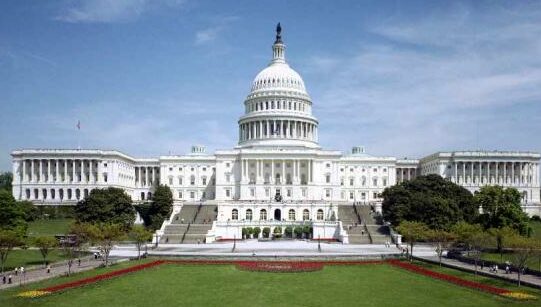
Recap of the Capitol Hill briefing during Recovery Month.

The Promise and the Challenges of Tele-Behavioral Health
Telehealth has expanded access to behavioral health but challenges remain in maintaining quality.
Doing The Same Things Over and Expecting Different Results...While Blaming COVID
On Tuesday, October 26 the Substance Abuse and Mental Health Services Administration (SAMHSA) released the 2020 National Survey on Drug Use and Health...
Ways Communities and Health Care Systems Can Respond to the Substance Use Disorder Crisis
An overview of how communities and health care systems are innovating to address the SUD crisis.
Bridging the Gap: Efforts to Increase Access to Mental Health and SUD Services
A look at federal and state efforts to increase access to mental health and SUD services.

Promising Solutions to Address Behavioral Health Workforce Shortages
Behavioral health workforce shortages present barriers to care. Here are promising solutions.

Stress Testing Future Pandemics: Are We Prepared for What's Next?
Leaders Edge published an article by David Smith, CEO and founder of Third Horizon Strategies, providing a preview of a pending analysis that examines...
Webinar Recap: What Would $350 Million Annually for Recovery Support Look Like?
Third Horizon Strategies, in partnership with Capitol Decisions, hosted a webinar on July 19 to inform key stakeholders about the potential for a $350...